
Advancing Innovation & Outreach
As the first cohort of Doctor of Physical Therapy students approach the end of their first year, students are preparing for the next big step in their journey: clinical rotations.
This summer, Auburn’s physical therapy students will be placed throughout the state of Alabama, from Huntsville to Daphne as well as locally in the Auburn-Opelika area, in Georgia (LaGrange and Columbus), and Pensacola, Florida. As they prepare to step into a clinical setting for the first time as PT students, the faculty members have been working hard to ensure they are ready for that next step.
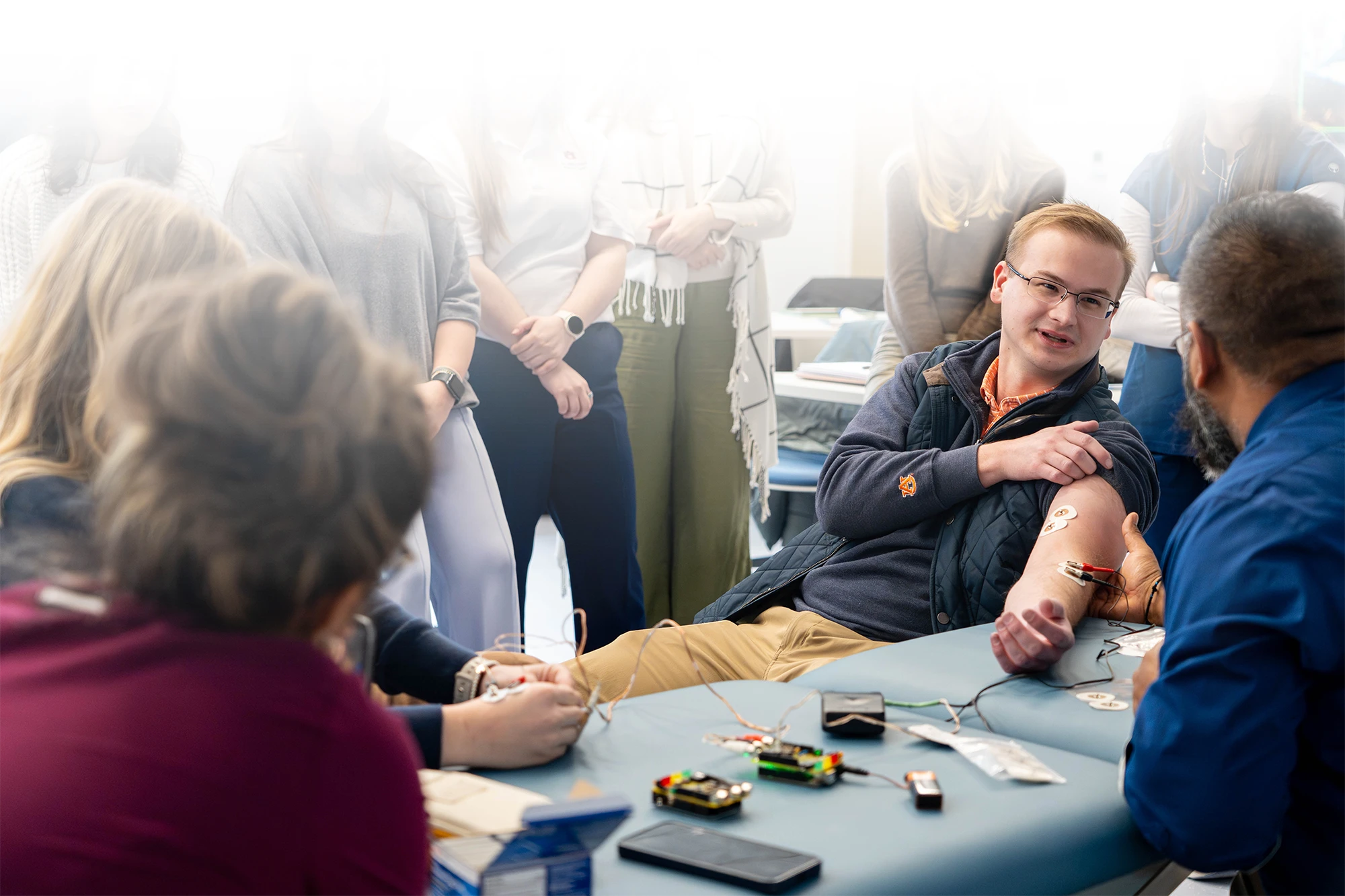
“The students have had a rigorous first year in the program where they have gained knowledge of how the human body functions, including anatomy, physiology, pathophysiology, biomechanics, pharmacology, and neuroscience,” Shah said. “They have also been taught foundational clinical skills, PT evaluation skills, differential diagnosis, therapeutic exercises and modalities, as well as an introduction to evidence-based practice.”
Shah said the PT faculty also conduct a formal clinical readiness assessment to ensure they have the skills necessary for their introductory placement. Auburn’s DPT program complies with the standards expected from clinical partners for students’ integration into their practices. Those standards include: HIPAA and OSHA training, CPR certification, drug screening and background check, immunization requirements as recommended by CDC, physical exam, and TB test.
While the clinical partnerships will begin soon for students, the work to establish the partnerships begin in 2023.
“I started locally, reaching the local hospitals and clinics first, then expanding the reach large companies that have a nationwide footprint,” Shah said. “Our students will have access to over 5,000 locations for their clinical experiences, ranging from acute care hospitals, rehabilitation hospitals, nursing homes, outpatient clinics, and more. Meeting fellow therapists who are equally interested in training the next generation has been critical to building these partnerships.”
The partnerships are a crucial step in developing trained, licensed physical therapists to practice and go out and serve their communities.
“The students will gain hands on experience in patient care and apply the knowledge and skills gained in classrooms,” Shah said. “They get to develop their clinical skills further in authentic clinical environments. We place them in a variety of settings that see patients across the lifespan, from children to the elderly, so they are prepared for the workforce upon graduation and passing the board exam.”
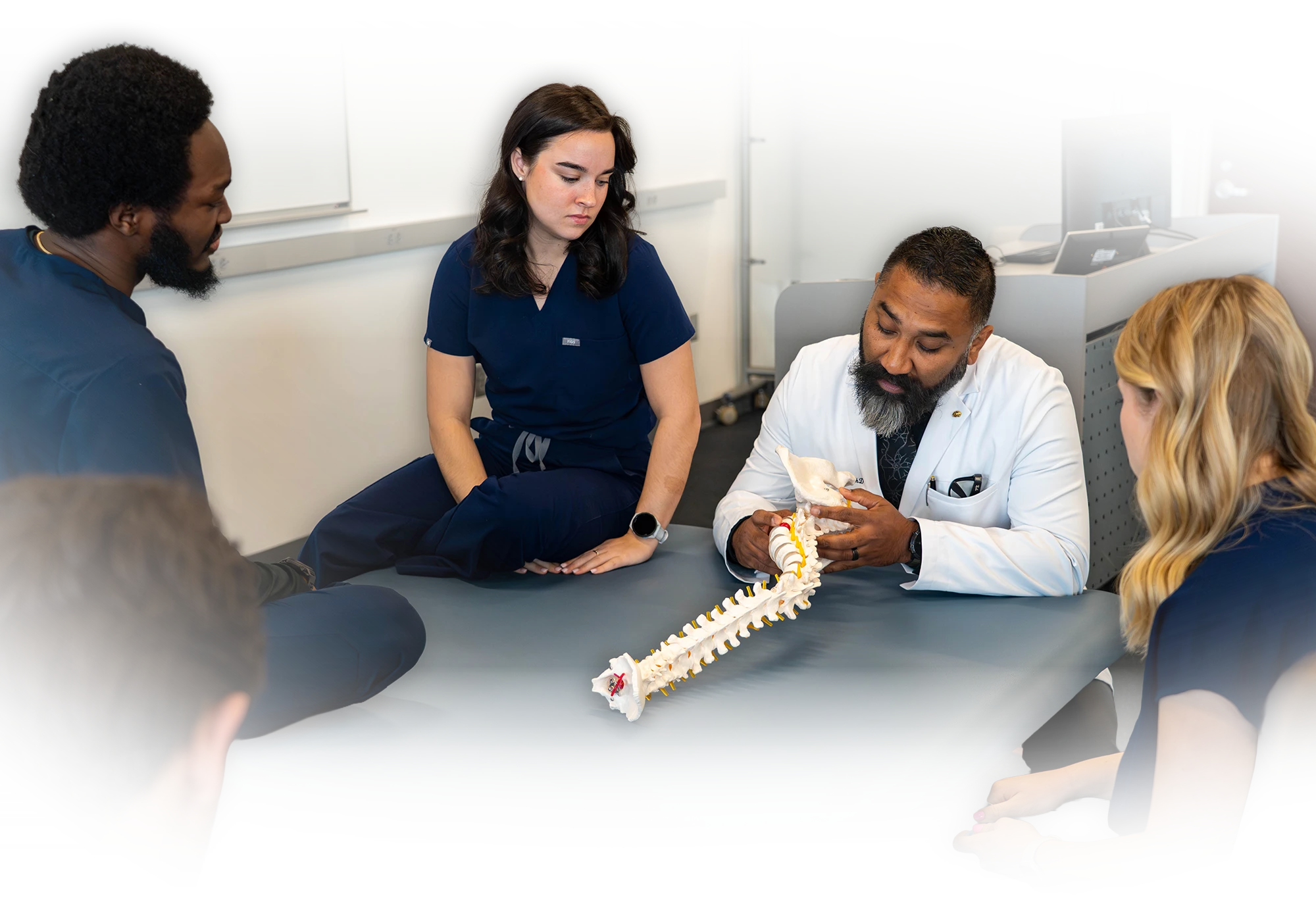
“Students bring improved workflow because they can perform many tasks under supervision that may allow the clinicians to focus on other tasks,” Shah said. “Students bring the latest research and techniques from classrooms and spark great discussions and exchange ideas. Patients receive more attention. For clinical instructors, this is an opportunity to advance their leadership, teaching, mentoring, and supervision skills while also contributing to the profession by training the future generation.”
For patients who may be wary of working with a PT student, Shah said the benefits are tremendous.
“It’s good for us to allow students to observe medical providers because we are educating the next generation of physical therapists,” she said. “Having two sets of eyes and hands collaboratively problem-solving and planning care is very beneficial to patients. Since all student involvement is closely supervised, patients receive the benefit of student engagement without compromising safety or quality. Patients can contribute in this way to our profession and community and often find it rewarding.”
After this summer’s clinical rotations, the first cohort will participate in rotations again in fall 2027 (two 8-week rotations) and spring 2028 (16-week rotation).
“I am deeply grateful to my fellow clinicians, clinical sites, and community members who are allowing our students to learn from their real-life experiences,” Shah said. “Our students grow because other people are willing to invest time, expertise, and trust in them. We simply could not do this work alone.”