

Academic Impact

Auburn University’s College of Education has long been a home to those committed to building a better future for all. Across classrooms, districts, global communities, research labs and even microgravity environments, the College of Education’s alumni continue to embody Auburn values — proving that the impact of an Auburn College of Education degree reaches far beyond the Plains. Just ask the following alumni.

Limitless Learning
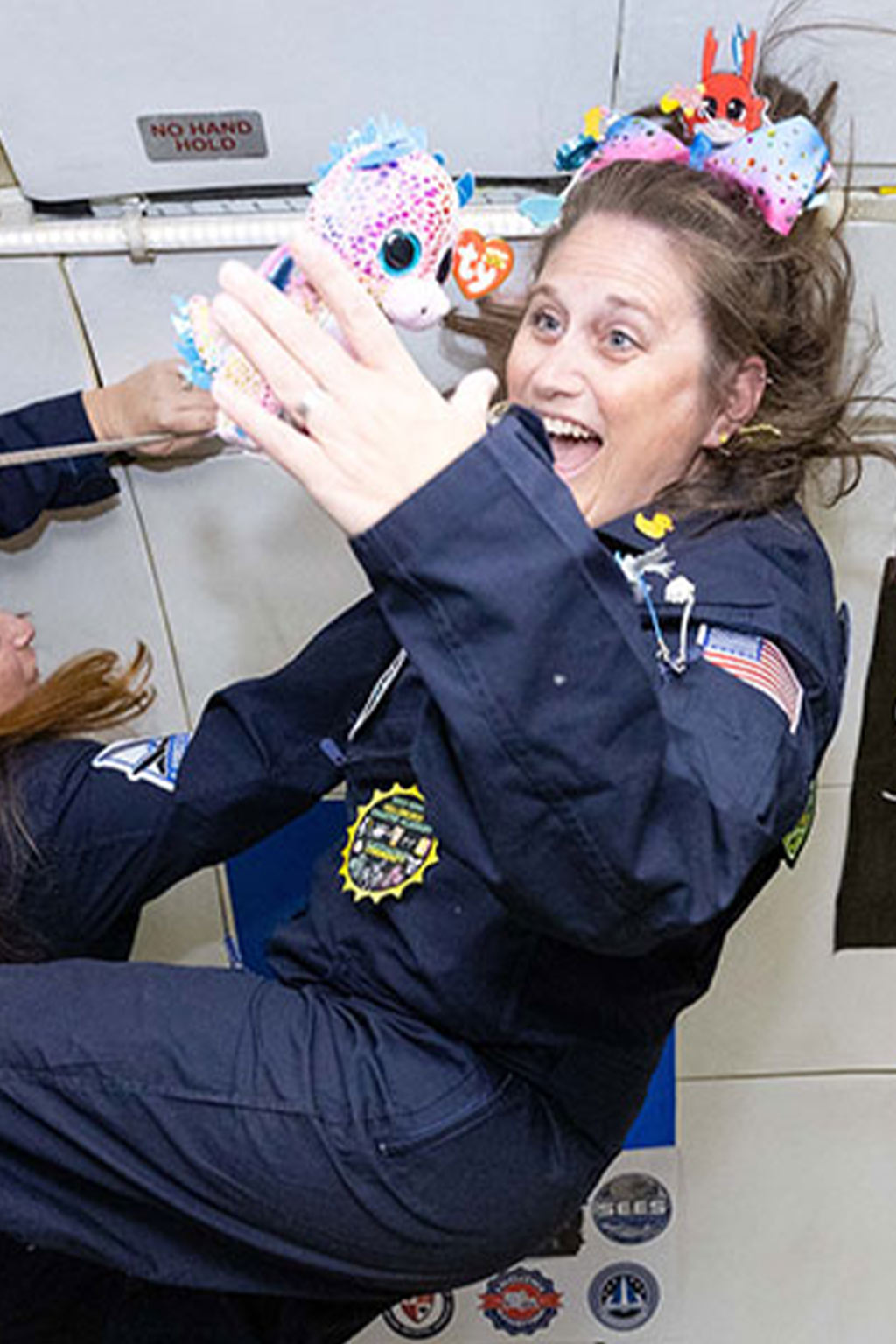
When Megan Tucker boarded the ZeroG aircraft for a microgravity research flight, she didn’t just complete an educator’s dream — she, in a sense, brought her students along with her. Through the Space for Teachers program, Tucker conducted international student-designed experiments on brine shrimp and paper helicopters 35,000 feet above Earth.
Tucker, a 2004 Elementary Education graduate who today serves as the dean of curriculum and STEAM (Science, Technology, Engineering, Arts and Mathematics) specialist at Hillsboro Charter Academy in Virginia, was one of just eight educators nationwide selected for the prestigious Space for Teachers Embedded Teacher Program. As part of the program, she recently participated in a microgravity flight aboard the Zero-G aircraft, conducting student-designed experiments in a weightless environment.
Tucker’s Auburn College of Education experience, she said, was foundational. From practicums in Auburn City Schools to inspiring professors like Octavia Tripp and Megan Burton, Auburn gave her the practical and intellectual grounding to become an award-winning STEAM educator, curriculum writer and global collaborator.
“What I love most about Auburn’s College of Education is its strong emphasis on preparing well-rounded educators who are not only knowledgeable in their subject matter but also deeply connected to the practical realities of teaching.”
Tucker now leads STEAM initiatives, connects students with NASA astronauts, builds international partnerships and proves daily that learning knows no bounds.
Engaging Leadership
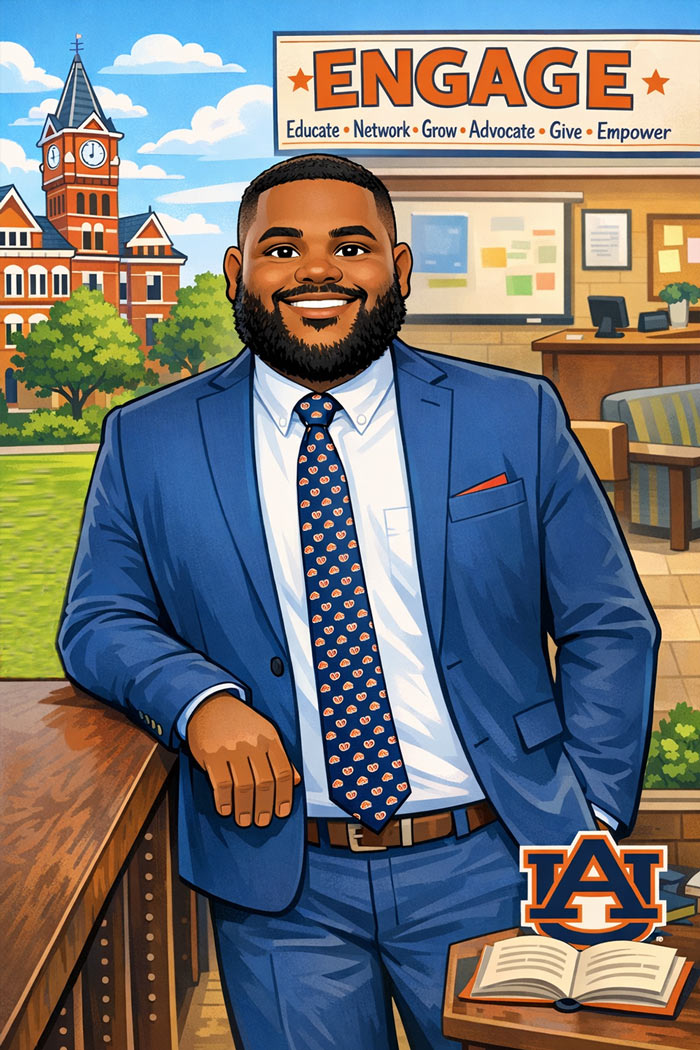
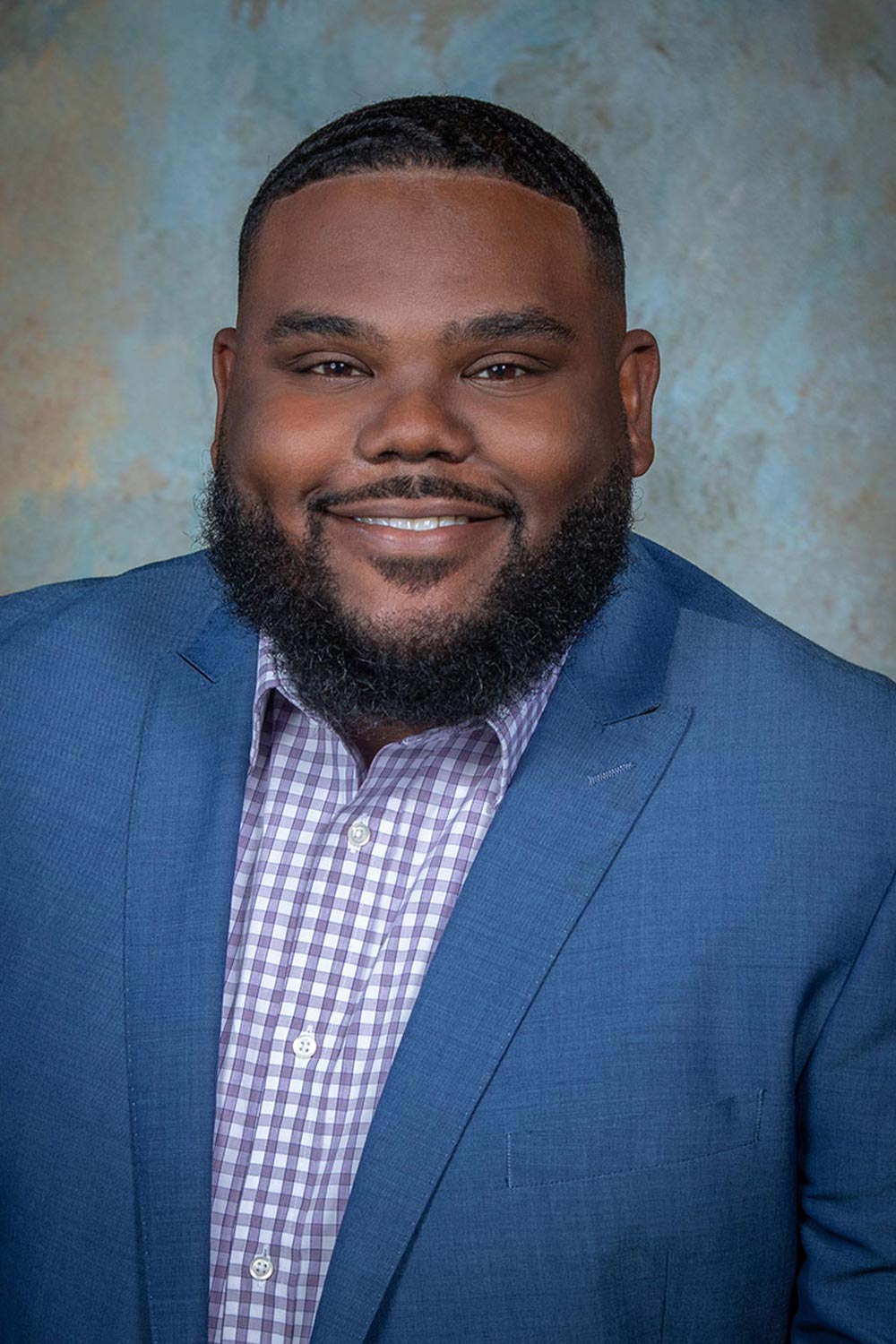
For alumnus Courtney Bass, Auburn’s College of Education has always been more than just a place to learn. It’s where his purpose took shape.
From an undergraduate unsure of his major to an assistant principal at Liberty Park Middle School in Vestavia Hills, Alabama, and a member of the College of Education’s ENGAGE (Educate, Network, Grow, Advocate, Give, Empower) Council, Bass is committed to helping the next generation of teachers just as Auburn supported him.
Bass — a two-time College of Education graduate with a Bachelor of Science degree in Elementary Education and a master’s in Educational Leadership — encourages today’s students to “show up early, be prepared and give your best effort,” reminding them that “People remember how you show up.” Through the ENGAGE Council, he remains a steady voice for alumni connection and educator support — embodying Auburn’s belief that teaching is a calling rooted in community.
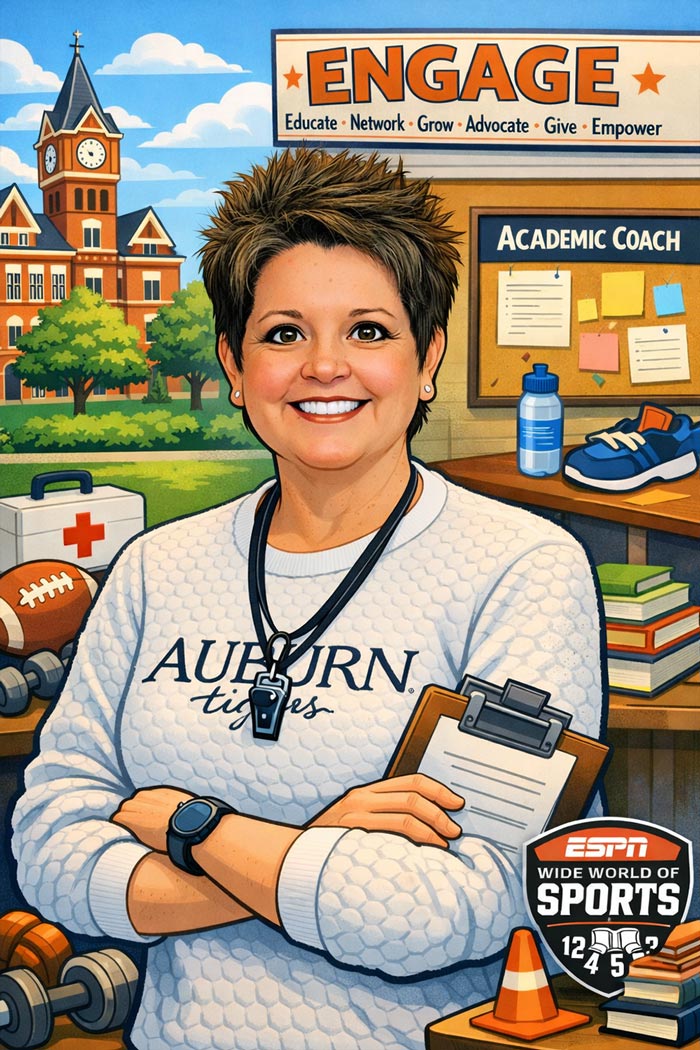
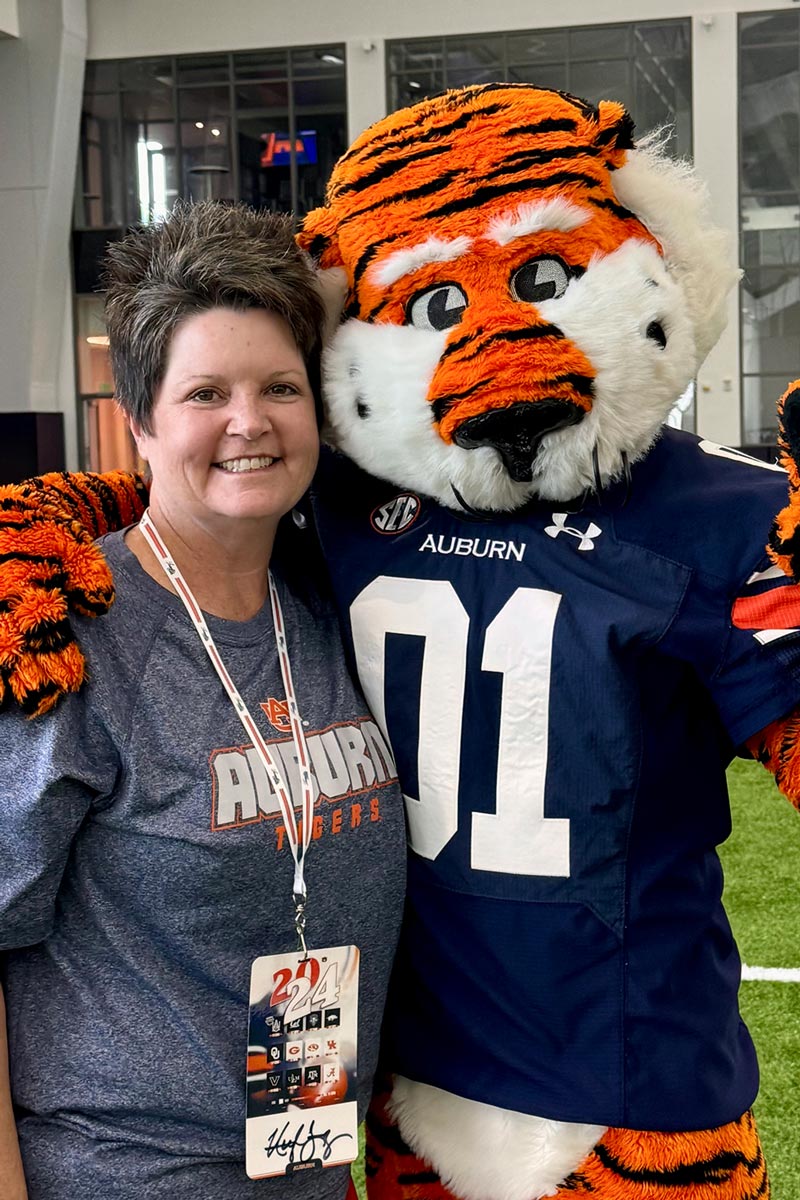
“Auburn’s College of Education played a foundational role in preparing me for success by equipping me with both the practical skills and the visionary mindset needed to lead and serve in dynamic educational and athletic environments,” she said. “The curriculum emphasized real-world application, which allowed me to connect theory to practice early on. Through my coursework and hands-on experiences, including my time as a student athletic trainer and my internship at the ESPN Wide World of Sports, I developed a deep understanding of how education, wellness and sport intersect to shape individuals and communities.”

Leading with Heart and Rigor
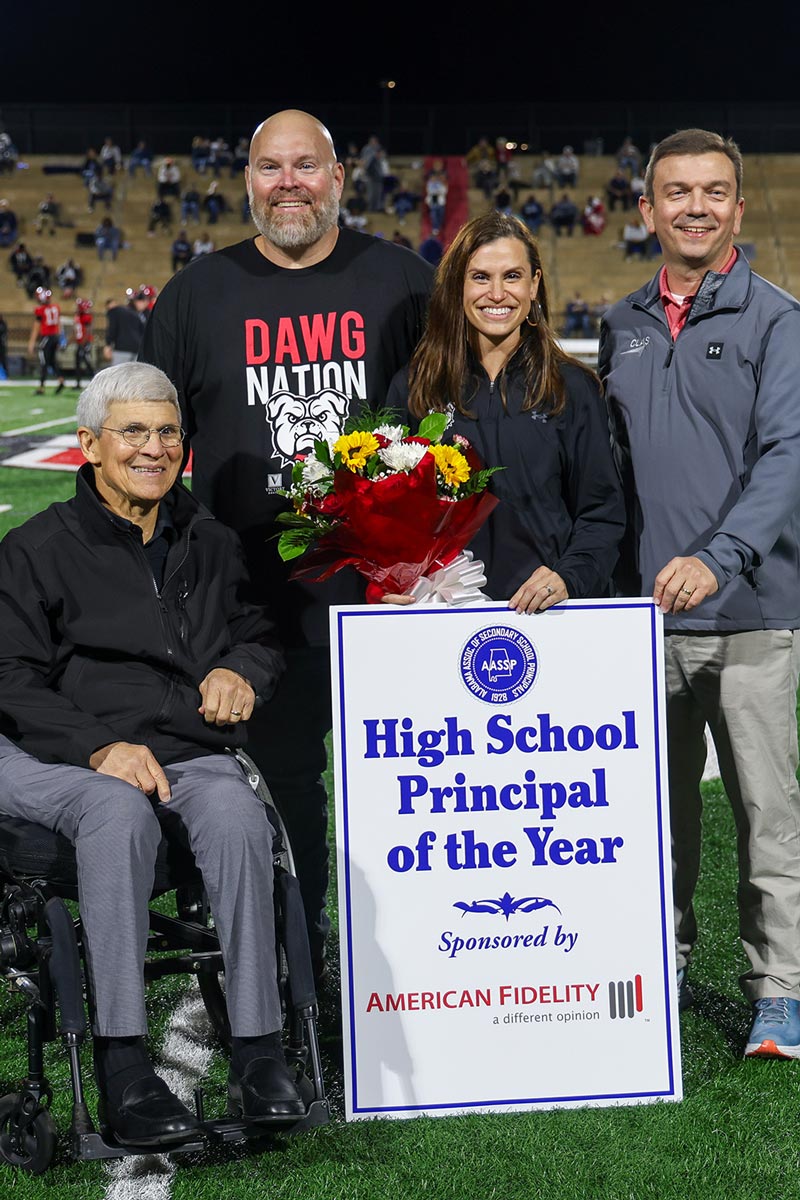
When Kelli Fischer was named Alabama High School Principal of the Year in fall 2025, she saw the award not as a personal accolade, but as a reflection of her students’ and teachers’ resilience. Her Auburn College of Education preparation, she said, blended rigor, research and reflection — giving her the tools to lead Opelika High School with both empathy and excellence.
Fischer earned her Bachelor of Science degree in secondary social science education from Auburn’s College of Education in 2011, followed by a Master of Education in instructional leadership and administration from Troy University in 2016. She recently completed her Education Specialist (Ed.S.) degree through Auburn’s College of Education and is now pursuing a Ph.D. in Educational Leadership there.
Fischer’s work centers on building a school culture where belonging drives student success. Initiatives such as Dawg Impact Groups and the Dedicated Dawgs attendance and behavior program reflect her student-centered leadership and her Auburn-inspired commitment to blending theory with real-world practice.
“What I love most about Auburn’s College of Education is how well it balances heart and rigor,” Fischer added. “The faculty genuinely care about who we are as people and as leaders, while also pushing us to think critically, analyze data and engage in meaningful research. The program is deeply connected to real-world practice, so I can take what I learn in class and immediately apply it at Opelika High School.”
From Possibilities to Purpose
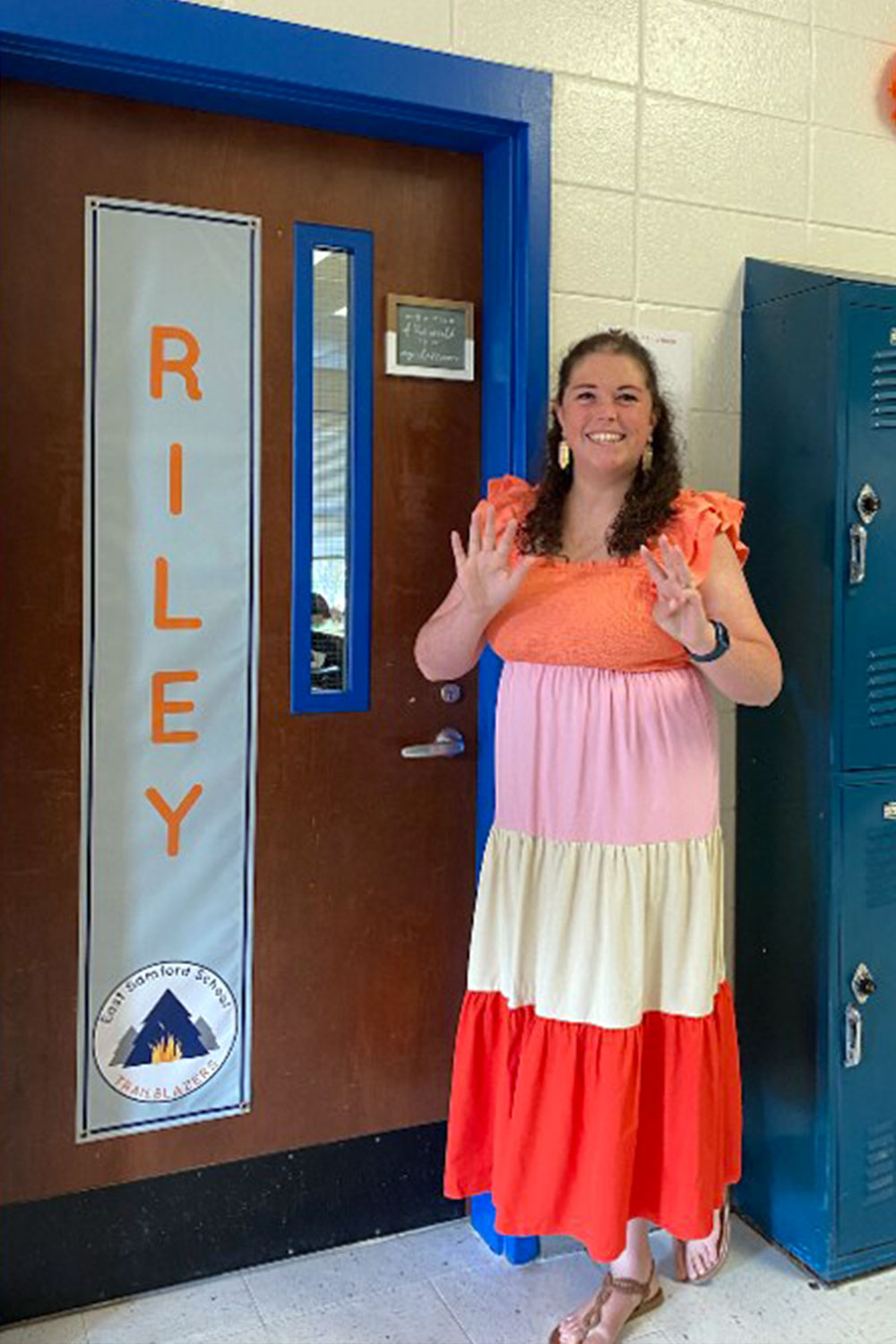
Though once on a path toward veterinary medicine, Catherine Riley discovered her true calling in Auburn’s general science education master’s program. Guided by Auburn faculty and extensive classroom internships, she built a career rooted in inquiry-based learning, helping students ask questions, design experiments and see science as vibrant and relevant.
Riley has now taught more than 1,000 students and has been honored multiple times for excellence in science education. Her Auburn training — especially early exposure to the classroom — gave her confidence to create dynamic environments where curiosity thrives.
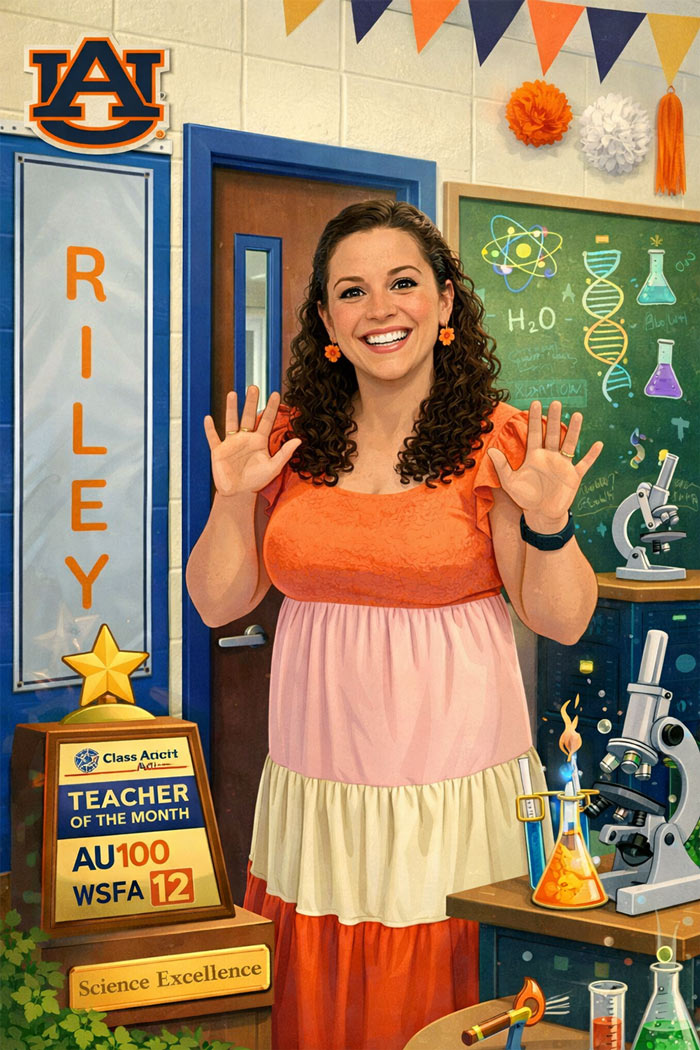
Since graduating from Auburn’s College of Education in 2016, Riley has been consistently recognized for her efforts in the classroom. She has been named Teacher of the Month by the Orthopedic Clinic and AU100 and was named a Class Act recipient by WSFA12 in April 2025 as well as Teacher of the Year at East Samford School in October 2025.
For Riley, the most important part of her job is getting her students interested in science, so she is particularly grateful to have learned about the importance of inquiry-based learning in the science classroom.
“Applying inquiry-based learning in my classroom has encouraged my students to pose questions, perform hands-on labs and foster their curiosity as they are learning the material,” she said. “This teaching style has given my students the chance to deepen their understanding of the material being taught and use more critical thinking skills.”

Teaching in Texas
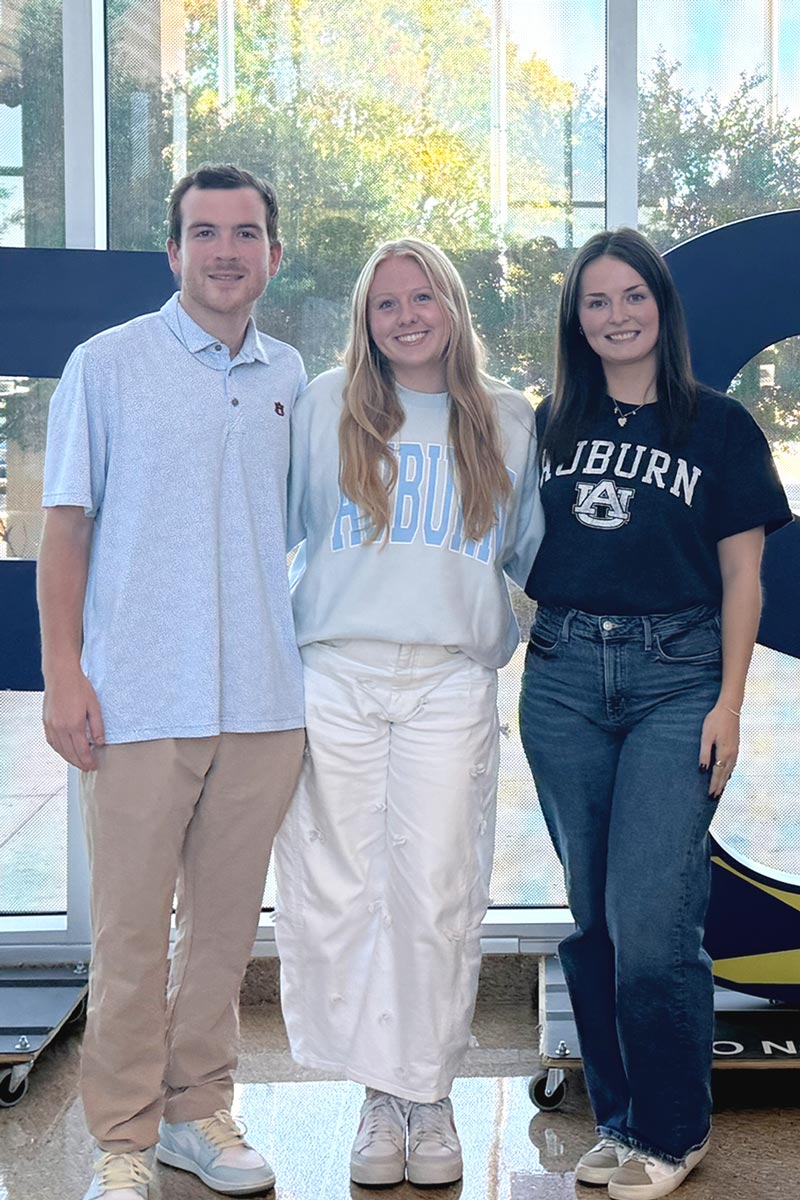
Auburn’s influence extends well beyond Alabama. In just four years, Frisco Independent School District in Texas has hired 11 Auburn College of Education graduates — seven of them just in the past year alone. Among those recent hires are Riley Richardson, Jack Coffey, and Kaylea Cummings, who embody the best of Auburn’s teacher preparation.
Their stories share common threads:
- meaningful field experiences across multiple grade levels,
- supportive Auburn faculty who offered feedback and mentorship
- and an internship that bridged classroom learning with real teaching.
Now in Texas, the College of Education alumni are thriving, helping students grow academically and emotionally, fostering community and living out the Auburn spirit in schools hundreds of miles away.
“Auburn’s College of Education prepared me for my current role as a teacher by giving me many opportunities to teach various subjects and grade levels through my time in the education department,” Richardson said. “While doing so, I was given feedback and assistance. Auburn set me up for success in education.”
Full-Time Teacher to Full-Time Scholar
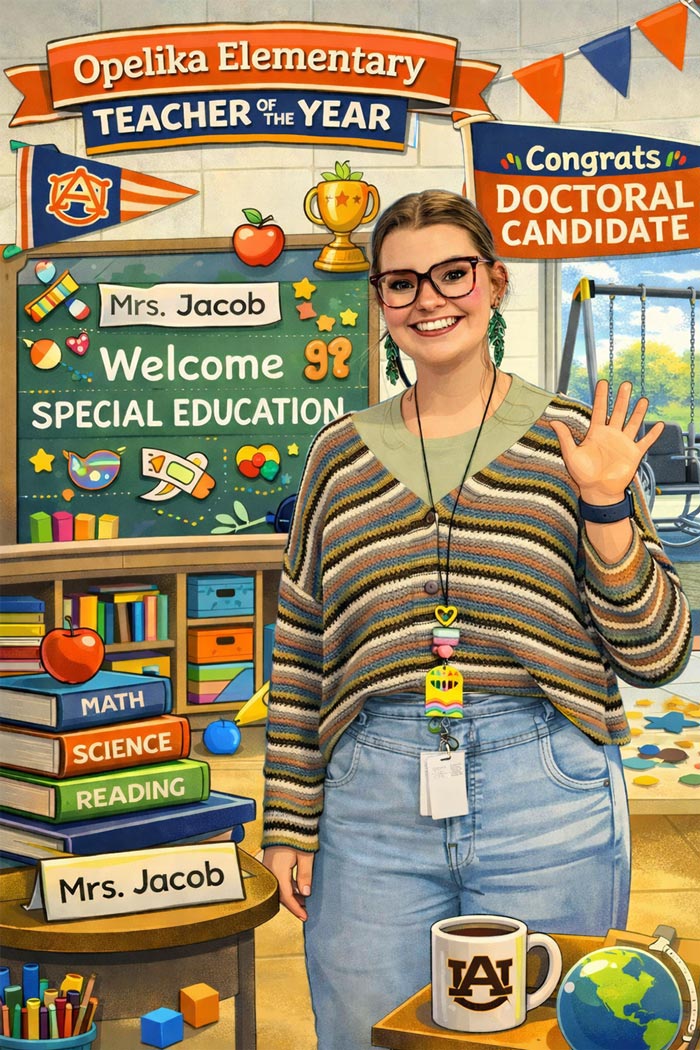
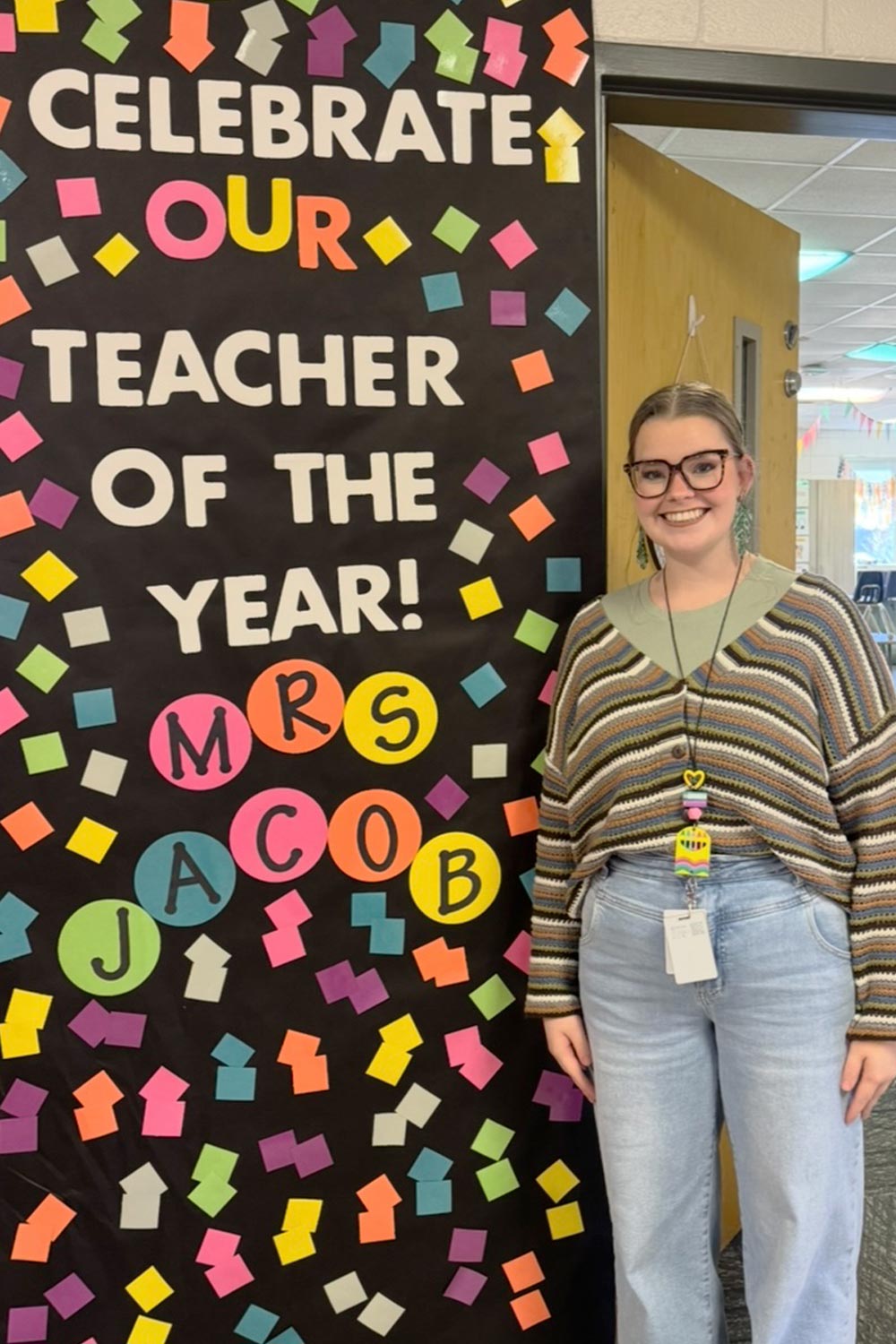
Cecily Jacob teaches a multi-grade classroom with students in kindergarten through second grade in a self-contained special education program at Southview Primary School in Opelika, Alabama. She does so while also pursuing her doctorate at Auburn’s College of Education — and the two roles strengthen one another.
Recently recognized as Elementary Teacher of the Year by Opelika City Schools, Jacob centers her work on accessibility and joy. Auburn’s doctoral program, she said, has given her frameworks, mentorship and research opportunities that she immediately applies to her classroom. She’s already raising funds for wheelchair-accessible swings and shaping the next generation by teaching Auburn undergraduates.
Jacob credits Auburn’s College of Education for helping her grow professionally while she continues to teach full-time, and she points to one professor in particular for mentoring her along to success — Assistant Professor Christine Drew.
“I have really enjoyed getting to work with and learn from Dr. Drew,” Jacob said. “I also appreciate that the program is flexible enough for me to teach full-time while also being a full-time student. It has allowed me to grow in both roles at the same time.”
Teaching Through Turbulence
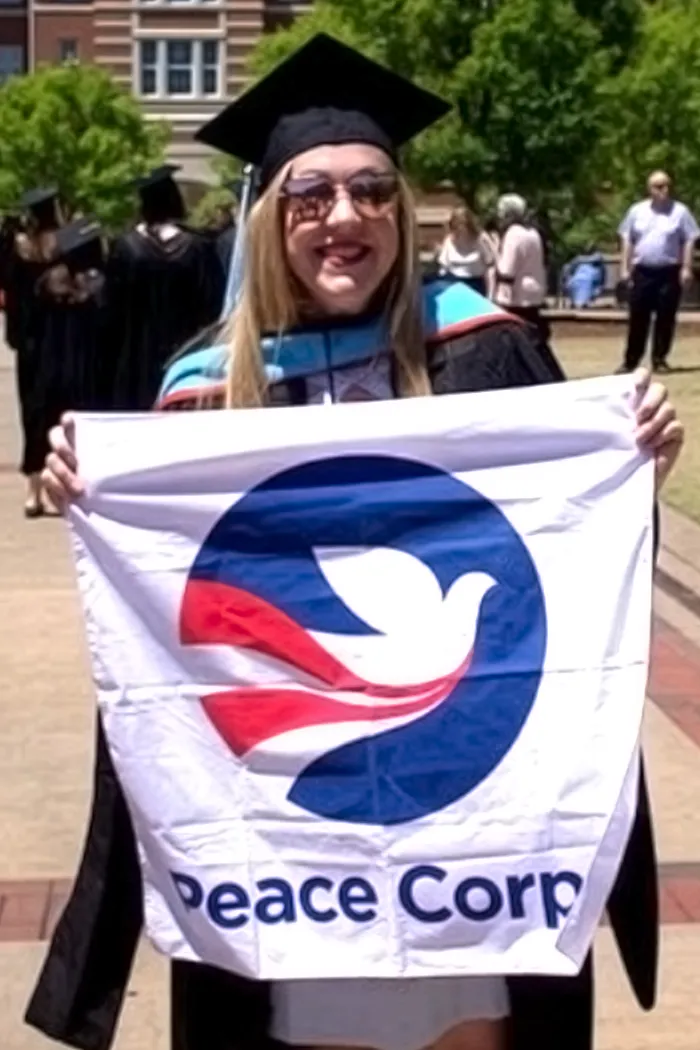
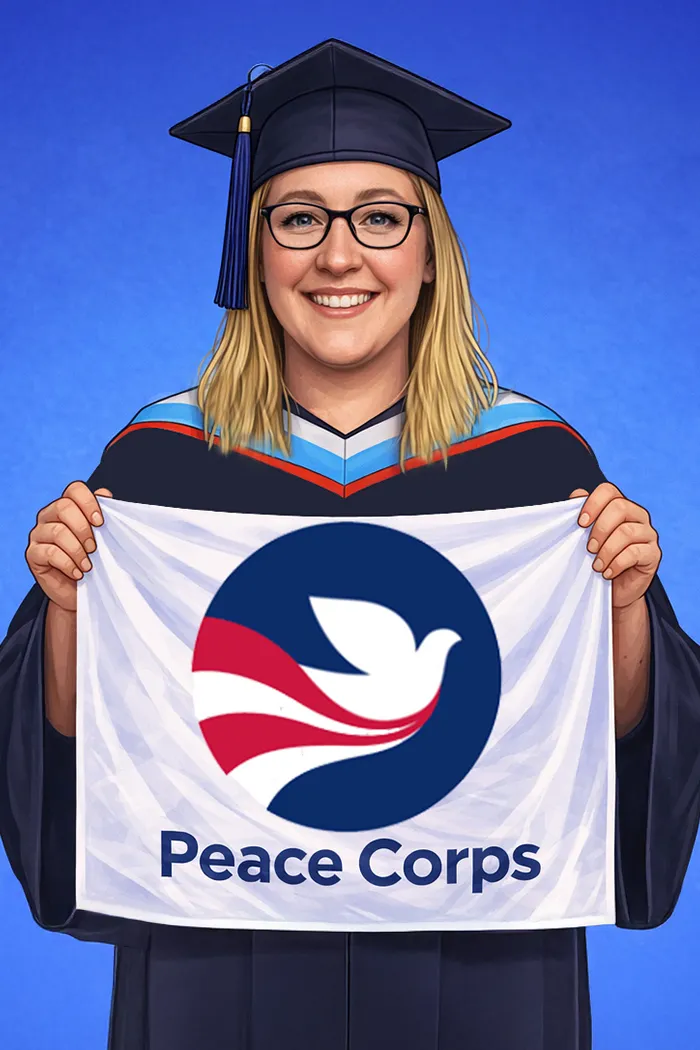
Few stories demonstrate courage like Amanda Denney’s. While teaching in Kyiv, Ukraine, she continued to educate her students through nightly missile strikes, days spent in shelters, rolling blackouts and the constant fear of attack.
And yet — school continued. Students created theatre productions, played sports, attended classes and clung to normalcy because teachers like Denney refused to yield to fear.
“The past year has definitely seen an uptick in Russian aggression,” she said soon after her return to the United States. “The reality of this would be nightly attacks — usually the air raid siren would go off around 11 p.m.–1 a.m. Then, air defense could be heard working to repel the first round of drones coming into the city. This would last for hours and may or may not be punctuated by louder explosions of missile defense working. These attacks would typically end around dawn, and under a blanket of smoke, we would just…go to school.”
She said her Auburn College of Education preparation and Peace Corps experience equipped her with adaptability, cultural understanding and resilience. Now back in Tennessee as a doctoral student and ESL teacher, she continues advocating for global education and reminding future educators that education is a lifeline.
“I found myself more inspired by the idea of helping students grow and thrive than anything else,” she said of her time in Ukraine. “Education gave me a way to connect globally and make a meaningful impact.”

A Good Grounding
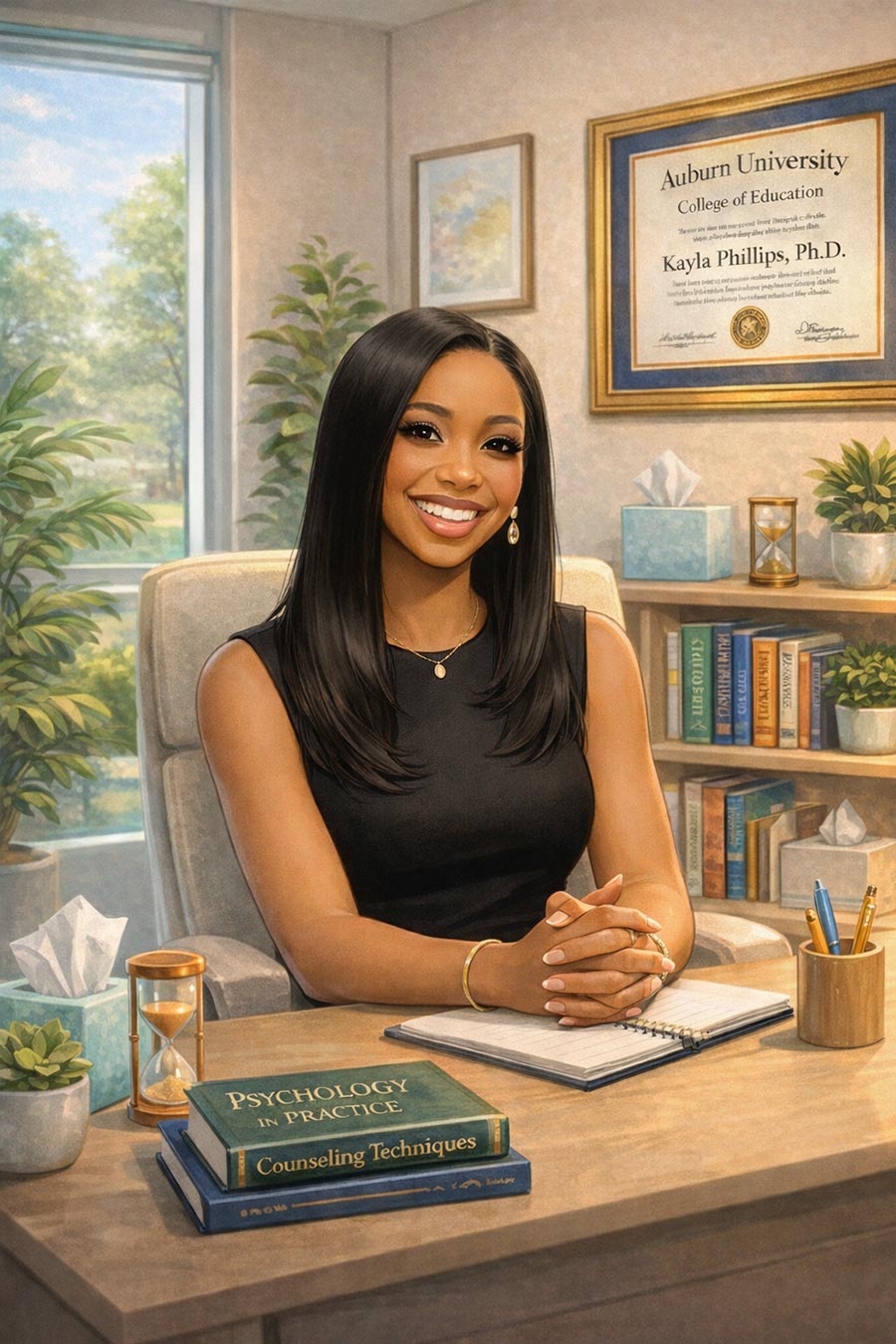
Kayla Phillips, a graduate of Auburn’s counseling psychology program in the College of Education, today runs a flourishing practice as a psychologist in Marietta, Georgia.
Phillips said the College of Education gave her a good grounding, preparing her well for her current profession. She said Professor Marilyn Cornish was instrumental in preparing her for her career.
“Dr. Cornish definitely leaned in to having very complex conversations about culture, religion and politics,” Phillips said. “She was open to receiving feedback from the students about our experiences in the program, and it gave us the opportunity to lean in with curiosity and grow through that discomfort.”
“I remember Dr. Cornish, she said something to me that has stayed with me for a very long time,” Phillips said. “She said that it’s not about you graduating, because we know you’re going to do that anyway. But really, it’s about the state in which you do it. And it really allowed me to take a moment to prioritize myself as well as my education and allow myself some grace. And the more I’m able to give myself grace, the easier it is for me to allow others grace and to model that grace for my staff and for my clients.”
Empowering Communities
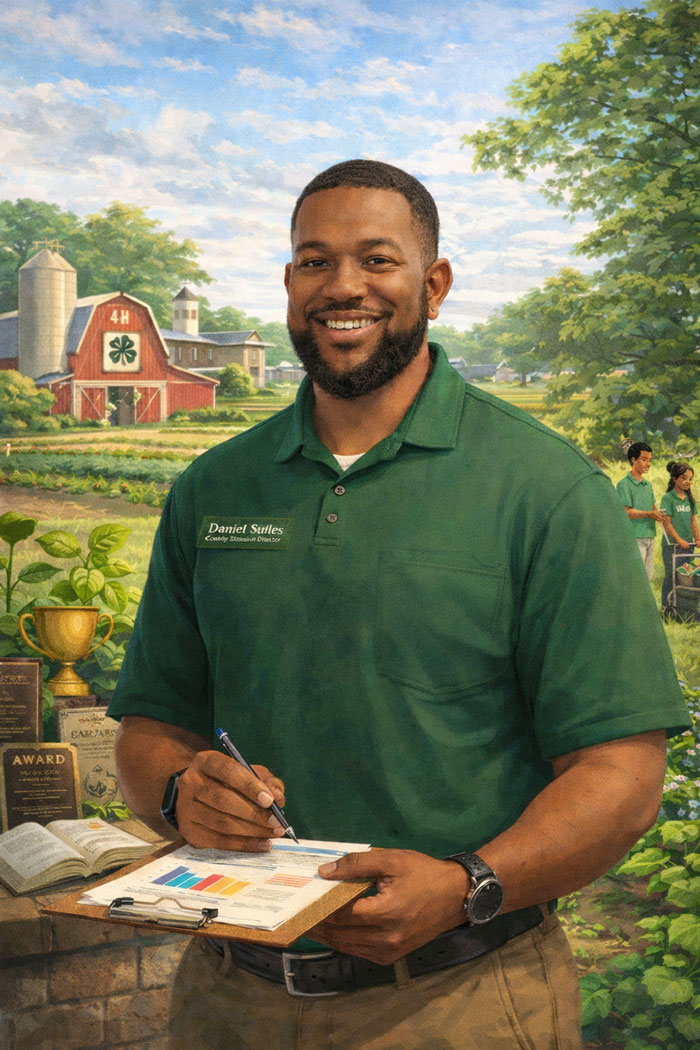
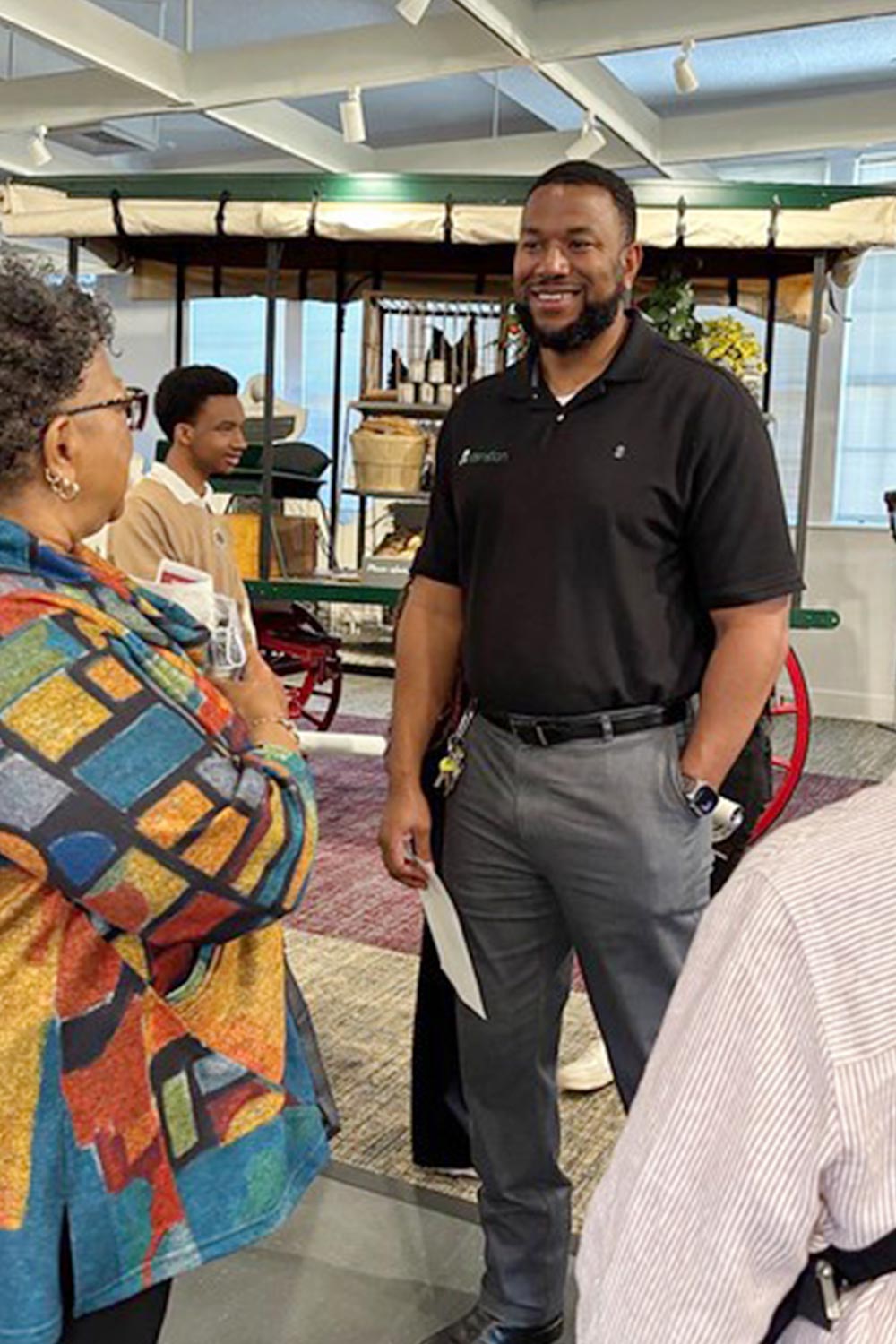
As County Extension Director of Macon County, Daniel Sullen leads programs in agriculture, community wellness, youth development and financial literacy. A first-generation doctoral graduate, he sees his Auburn College of Education degree in Adult Education as part personal triumph and part community investment.
“As I continue my career, I want to be a bridge for others to create opportunities, open doors and provide guidance for those who need it most,” Sullen said. “Whether in my role as a 4-H Extension Agent, County Extension Director or mentor, I want people to see in me a reflection of what’s possible. If my light helps even one person find their path, then I know I’m walking in purpose.”
Sullen’s dedication to his career has been recognized by many over the years, and he has received awards in the areas of civic leadership, community empowerment and youth development, to name a few. He also served as the president of Alabama Epsilon Sigma Phi, the professional organization for extension educators, from 2023 to 2024.
From Possibilities to Reality
After 10 years as an AP English teacher, Shannon McCurdy sought Auburn’s Educational Leadership programs to become a more effective school administrator. Her Auburn professors expanded her understanding of research-driven school improvement and ignited her passion for transforming high-poverty, low-performing schools.
Now assistant superintendent for elementary education with Baldwin County Public Schools, McCurdy’s leadership has helped open new schools, earn STEM certifications and elevate school culture — demonstrating Auburn’s lasting influence on educational leadership in Alabama.
“I am honored to be assistant superintendent,” McCurdy said. “With the role comes many responsibilities, but I feel fully prepared through my varied experiences in the school system and my studies in the College of Education. My Auburn University degrees have given me the confidence and vision I needed to be a successful principal and advance my career.”
Never Stop Learning
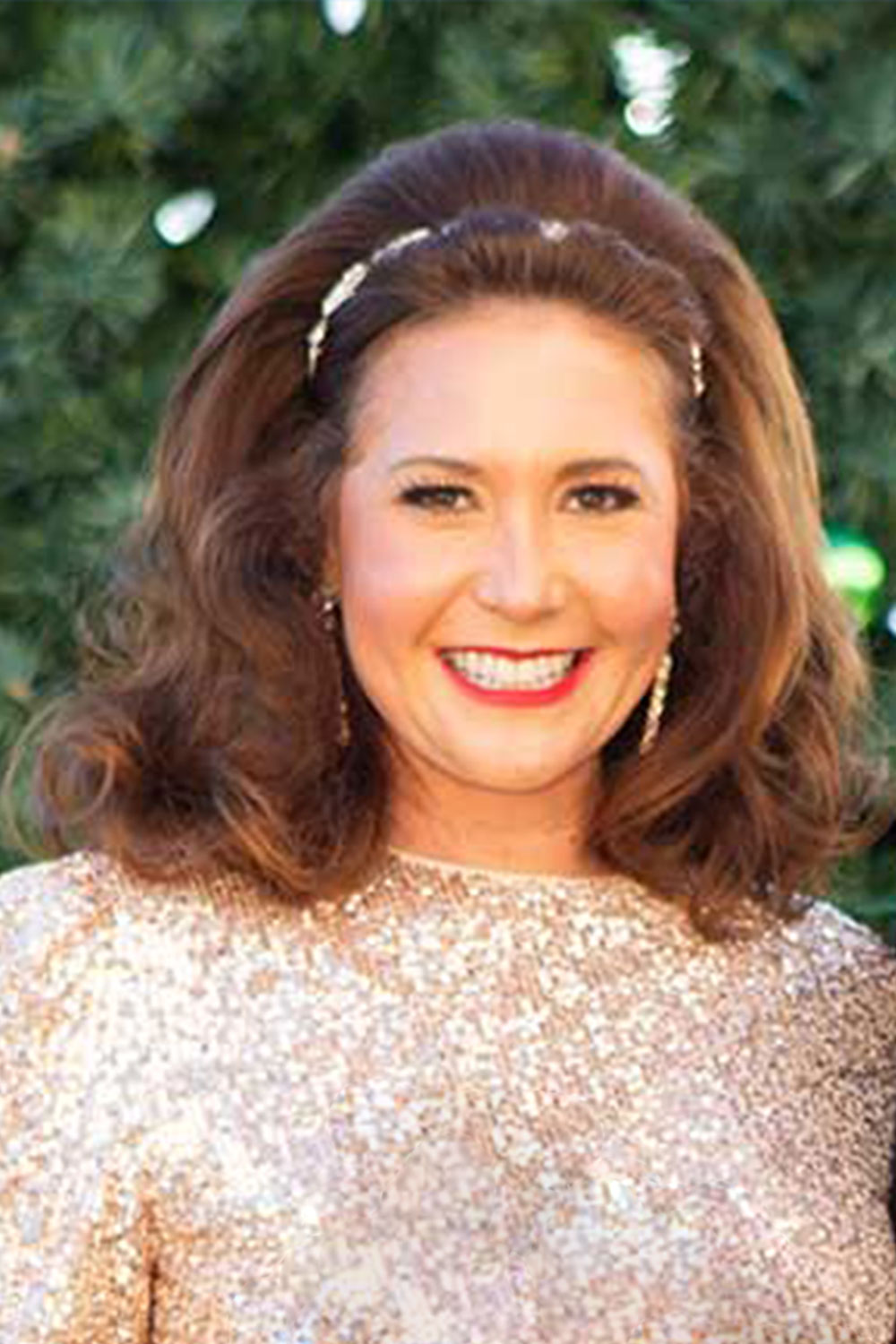
Twenty-five years ago, Angeila Scarborough became a student at Auburn for the first time, and since then, she has earned four degrees. Now, Scarborough is pursuing her fifth degree—a doctorate in educational leadership — in Auburn’s College of Education.
“I believe we are all students and life is a school,” she said. Her journey reflects Auburn’s belief that education enriches lives and communities across generations.
She first worked as a vocational rehabilitation counselor before changing paths four years later and beginning a career in speech-language pathology at Honeysuckle Middle School in Dothan, Alabama. She worked as a speech-language pathologist for the Dothan City Schools for 14 years before transitioning into an administrative role.
This past fall, Scarborough began her newest position as the assistant principal at D.A. Smith Middle School in Ozark, Alabama.
“It means a great deal to me to have the privilege to become an assistant principal in my lifetime,” Scarborough said. “I love to help others flourish, so it is rewarding to work in a role where I can give back to teachers and students and pass on the values that have been instilled within me.”


Service, integrity and excellence
When Maj. Mikayla Stewart graduated from Auburn University’s College of Education in 2015 with a bachelor’s degree in exercise science, her love for her alma mater only grew stronger as she transitioned from student to alumna.
Because of Stewart’s commitment to embodying the Auburn Creed through her personal integrity, professional accomplishments and tireless service, she was selected as a recipient of the Class of 2025 20 Under 40 Award, given annually by the Auburn Alumni Association’s Young Alumni Council.
Since graduation, Stewart has maintained strong ties to Auburn through her service to the Army Auburn Alumni Affiliate, where she holds multiple leadership roles on the executive board, including mentorship chair and strategic marketing/social media chair.
Stewart serves as the Joint Medical Operations Plans Officer at the Pentagon’s Joint Staff, a position that places her at the nexus of military healthcare strategy. She provides guidance to the Joint Staff Surgeon and builds strategic presentations for the Chairman of the Joint Chiefs of Staff, Congress and other senior leaders. Prior to her current role, she was hand-selected as the Executive Assistant to the Office of the Surgeon General Director, serving as the mission focal point for the Army Health System spanning five continents with over 84,000 medical military personnel.

Marshalling success
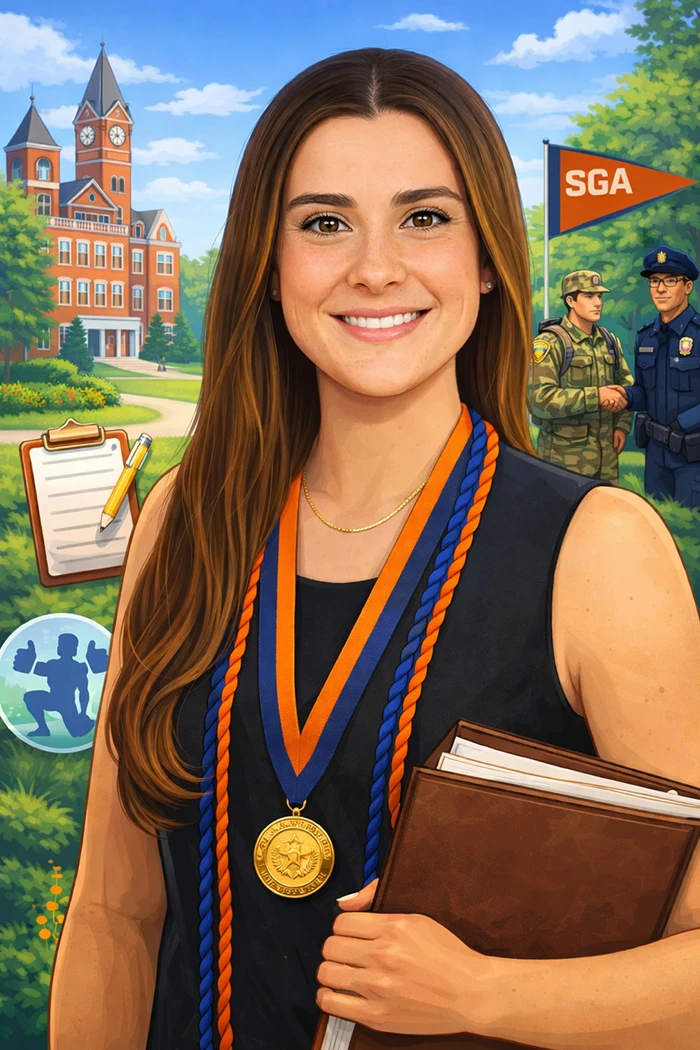
Selected as the College of Education’s fall 2025 graduation marshal, Reagan Boledovic has woven service, research and leadership into her Auburn career. Her kinesiology research on tactical athletes and her commitment to community reflect Auburn’s emphasis on experiential learning and meaningful contribution.
“While at Auburn, I served as the SGA College of Education vice president, an undergraduate research assistant and fellow with the Warrior Research Center, president and vice president of the Kinesiology Club, a peer instructor and peer leader for the First Year Seminars and Learning Communities program, a peer advisor for the School of Kinesiology and vice president of the Senior Pals Club,” she said.
Boledovic will now attend physical therapy school at The Ohio State University, pursuing a dual DPT/Ph.D. program.
“I chose to pursue the field of kinesiology because I have a passion for service, and physical therapy is a career that allows me to help others regain their mobility along with their confidence and independence,” she said. “As a physical therapist, I want to focus on enhancing performance and preventing injuries among tactical athlete populations such as law enforcement officers, military personnel and firefighters.”